Service · Cheyenne, WY
Sewage Backup Cleanup in Cheyenne, Wyoming
A sewage backup is a health hazard, not a mop job. Contaminated water needs proper extraction, removal of affected materials and sanitation — one free call connects you with an independent local specialist.
Why sewage backups are different from every other water damage
Clean water from a burst pipe is a drying problem. Sewage is a contamination problem. Water that has come back through a sewer line or septic system carries bacteria, viruses and chemicals, and everything porous it touches — carpet and pad, drywall, insulation, upholstered furniture — absorbs it. Industry practice treats this as black water: affected porous materials come out, hard surfaces are cleaned and sanitized, and the structure is dried and verified before the space is used normally again. That is a different job, with different equipment and protective gear, than any other cleanup on this site.
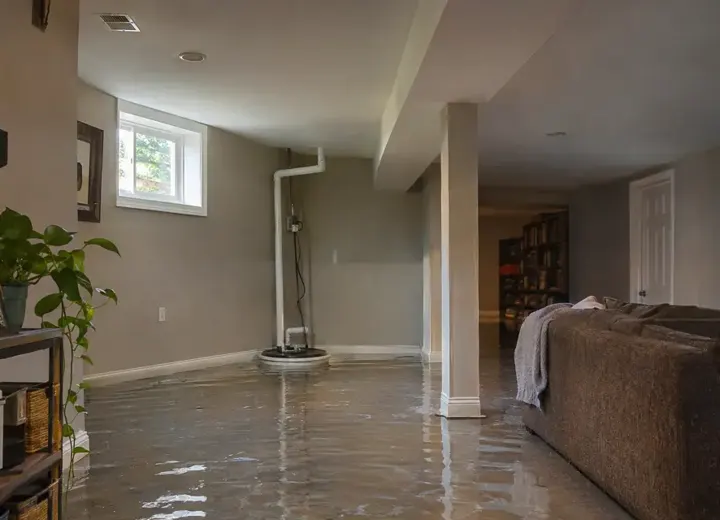
The causes in Cheyenne and Laramie County are predictable. Wipes and grease build blockages in main lines. Tree roots find the joints of older clay and cast-iron sewer laterals and grow into walls of fibres that catch everything passing. Lines belly and collapse with age and ground movement. And on the septic properties all around the county's rural edges, a full tank or a drain field saturated by spring snowmelt can push wastewater back through the lowest drain in the house — usually a basement floor drain, shower or toilet, which is why so many backups announce themselves in the basement.
What to do — and what not to do — right now
Keep people and pets out of the affected area, full stop. Do not walk through sewage and then through the rest of the house. Do not run fans or your furnace fan if the intake is near the contamination — moving air spreads contaminants. Stop using water in the house: every flush and every drained tub adds to the backup. If you can do it without entering the water, shut off the water supply to slow additions. Then call (725) 699-0399. Photograph the scene from the doorway for your insurer; do not start pulling carpet yourself — professional removal is contained, bagged and documented, and that documentation matters for your claim.
The process
How a sewage backup cleanup works
- 1
Contained assessment
The specialist, in protective gear, maps exactly what the water touched and what category of materials are affected.
- 2
Extraction & removal
Contaminated water is extracted and unsalvageable porous materials — carpet, pad, affected drywall — are removed and bagged out.
- 3
Cleaning & sanitizing
Hard surfaces are cleaned and treated with professional sanitizing agents suited to black-water events.
- 4
Drying & verification
The structure is dried and moisture-verified, and the cause — blockage, roots, septic — is flagged so it does not simply happen again.
Cleanup fixes the house. The line still needs an answer.
A sewage cleanup that does not ask why the backup happened is half a job. If roots are in the lateral or the line has bellied, the next backup is a matter of time. The specialist matched through this service will tell you honestly what the pattern suggests — a one-time blockage versus a line that needs camera inspection — and that distinction, documented, is also what separates a covered insurance event from a maintenance argument. Call (725) 699-0399 and mention any history: a first backup and a third backup are different conversations.
Honest pricing
What sewage backup cleanup typically costs
| Job | Typical range | What drives the price |
|---|---|---|
| Sewage extraction & sanitation, small area | $1,500 – $3,000 | One room, limited material removal |
| Sewage backup cleanup, finished basement | $3,000 – $7,000 | Carpet, drywall and contents affected |
| Septic backup cleanup (rural properties) | $1,500 – $6,000 | Contamination level, materials removed |
| Mold treatment after sewage event | $500 – $4,000 | Delay before cleanup, area affected |
Ranges are typical figures from national cost guides (Angi and HomeAdvisor style data) for 2026, shown so you can plan — they are not a quote. Your specialist confirms the exact price before any work starts.
Prevention: keeping the next backup out
Nothing labeled a wipe goes in the toilet — including the ones marketed as flushable; they do not break down like paper and they are the single most common blockage material found in main lines. Grease goes in a container in the trash, never the drain. If your home is older, a periodic camera inspection of the lateral finds root growth and bellied sections while they are still a maintenance item instead of a midnight emergency. And if your lowest drains sit below the level of the street sewer, ask about a backwater valve — it is the one device that can physically stop a city-side surge from entering your house. On septic, pump the tank on schedule and give the drain field a rest after saturating melts.
FAQ
Questions, answered
The things Cheyenne homeowners ask when water shows up where it should not be.
Still unsure?
Describe what you are seeing and we will match you with a local specialist.
(725) 699-0399Is sewage backup water dangerous?
Yes. Sewage is what the industry calls black water — it carries bacteria, viruses and other contaminants, and porous materials it touches (carpet, pad, drywall, upholstered furniture) generally cannot be sanitized reliably and must be removed. Keep people and pets out of the affected area and do not run fans that blow across contaminated surfaces, which spreads contaminants through the air.
What causes sewage backups in Cheyenne homes?
The usual causes: a blockage in the main sewer line (wipes and grease are the top offenders), tree roots invading older clay or cast-iron laterals, a collapsed or bellied section of line, or — on septic properties around the county — a full tank or saturated drain field after snowmelt. Heavy rain and melt can also overwhelm compromised lines and push water back through the lowest drains in the house.
How much does sewage backup cleanup cost in Cheyenne?
Professional sewage cleanup typically runs $1,500 to $7,000, based on national cost-guide ranges, depending on how far the water spread and how much material must be removed and sanitized. Your specialist confirms the exact price before work begins, and the documentation they produce is what your insurer will ask for.
Can I clean up a sewage backup myself?
A few cups of clean-ish water at a single fixture is one thing; standing sewage across a floor is not a DIY job. Beyond the health risk, insurers often require professional documentation of black-water cleanup, and household bleach on porous materials does not make them safe. Call (725) 699-0399 and let a specialist extract, remove and sanitize properly.
How do I prevent another backup?
Never flush wipes — including the ones labeled flushable — or pour grease down drains. If your home has older lines, periodic camera inspection finds root intrusion and bellied sections before they become backups. A backwater valve on the main line is the strongest protection for homes whose lowest drains sit below street level, and your specialist can tell you whether your layout is a candidate.
Sewage backup in Cheyenne? Keep out of it — and call.
Free to call. We connect you with an independent local water damage specialist who serves your part of Cheyenne.